Which Ecommerce Platform Is Best for SEO?
Most people asking this are scared of making an expensive mistake.
They are about to launch a store, rebuild one, or migrate. They worry one decision locks them into years of weak rankings, slow growth, and technical headaches.
Here is the honest answer:
There is no universal best platform.
There is only the best platform for your situation.
This guide helps you choose with clarity, not hype. And, If you are planning a new build or replatform, understanding how ecommerce platforms affect SEO, structure, and scalability is critical to ecommerce website development decisions and helps avoid costly rebuilds later.
What You Are Really Trying to Solve
When someone searches this question, they are not chasing a brand name. They are trying to fix pain.
Common fears behind the search:
- “Will this platform limit my rankings?”
- “Will I lose traffic if I migrate?”
- “Can I scale to hundreds or thousands of products?”
- “Will my site turn into a technical mess?”
- “Will I need developers for every small SEO change?”
SEO here is shorthand for control, safety, and future growth.
What “Best for SEO” Actually Means
It does not mean Google prefers one brand.
It means the platform lets you:
- control URLs and metadata
- prevent duplicate pages
- manage redirects safely
- handle filters and variants
- load fast on mobile
- scale without index chaos
- publish content easily
- structure categories properly
If a platform makes these hard, SEO becomes slow and expensive.
If a platform makes these simple, growth becomes predictable.
The SEO Features That Actually Matter
Most comparison articles talk about fluff. These are the real decision points.
Technical control
You need clean access to:
- title tags and meta descriptions
- canonical URLs
- redirects
- sitemap and robots rules
- structured data
- faceted navigation logic
If you cannot control these, your SEO team fights the platform instead of growing traffic.
Content workflow
Strong ecommerce SEO depends on:
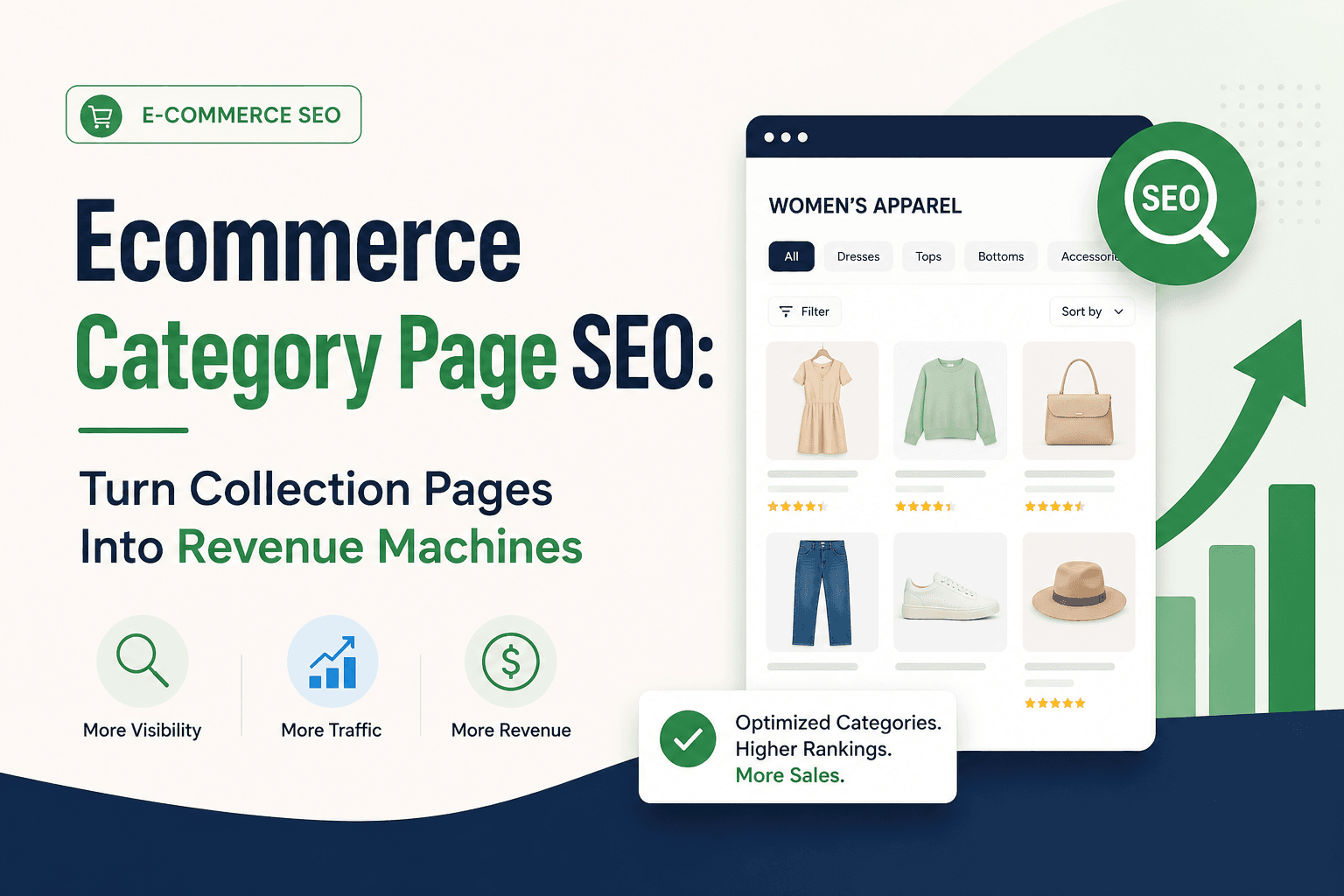
- optimised category pages
- blog integration
- internal linking
- scalable metadata templates
- easy publishing
If content feels painful to manage, it stops happening.
Ecommerce specifics
Real stores need:
- smart handling of product variants
- rules for out of stock products
- filter pages that do not explode indexation
- pagination logic that stays clean
This is where many platforms fail at scale.
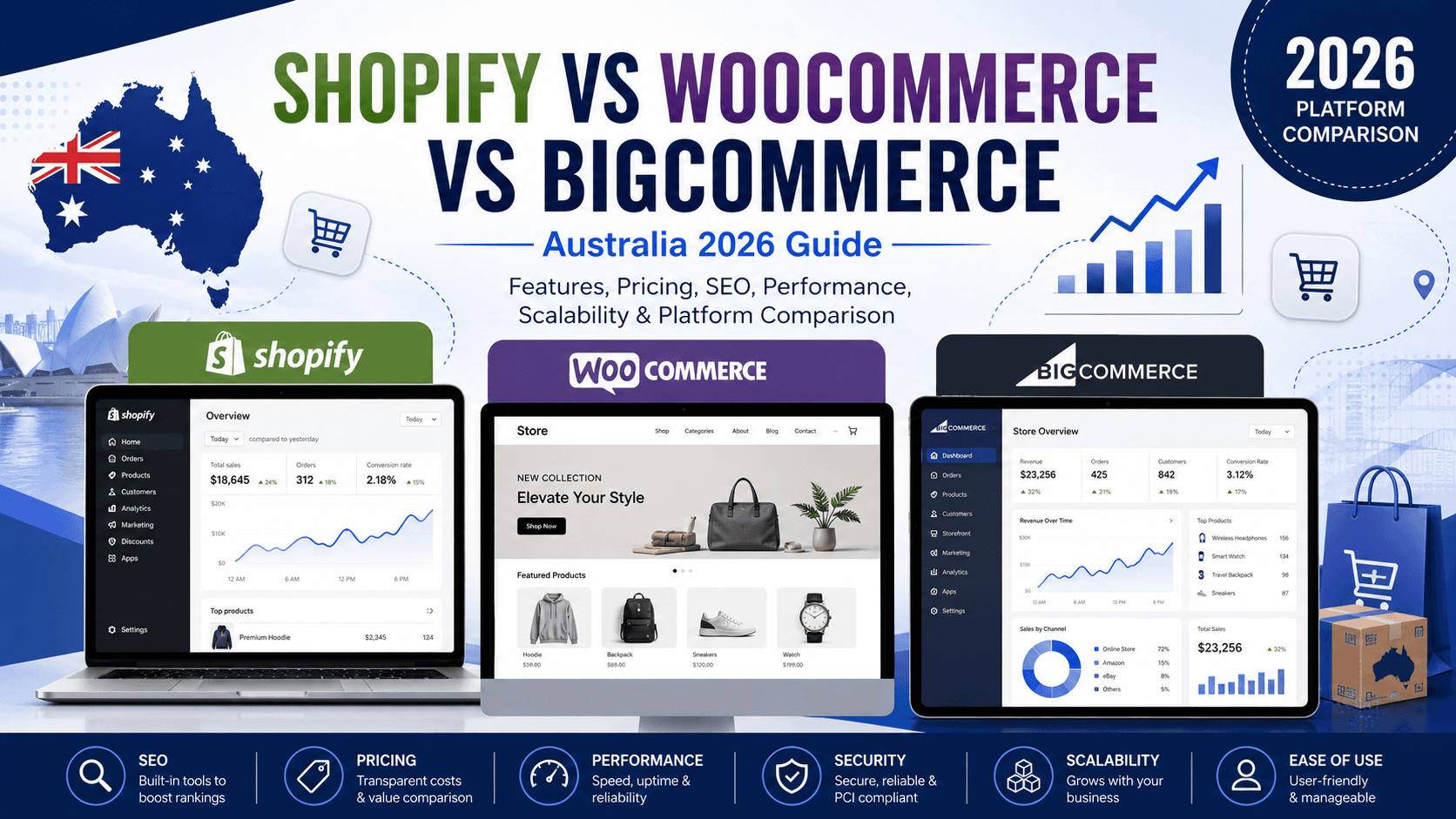
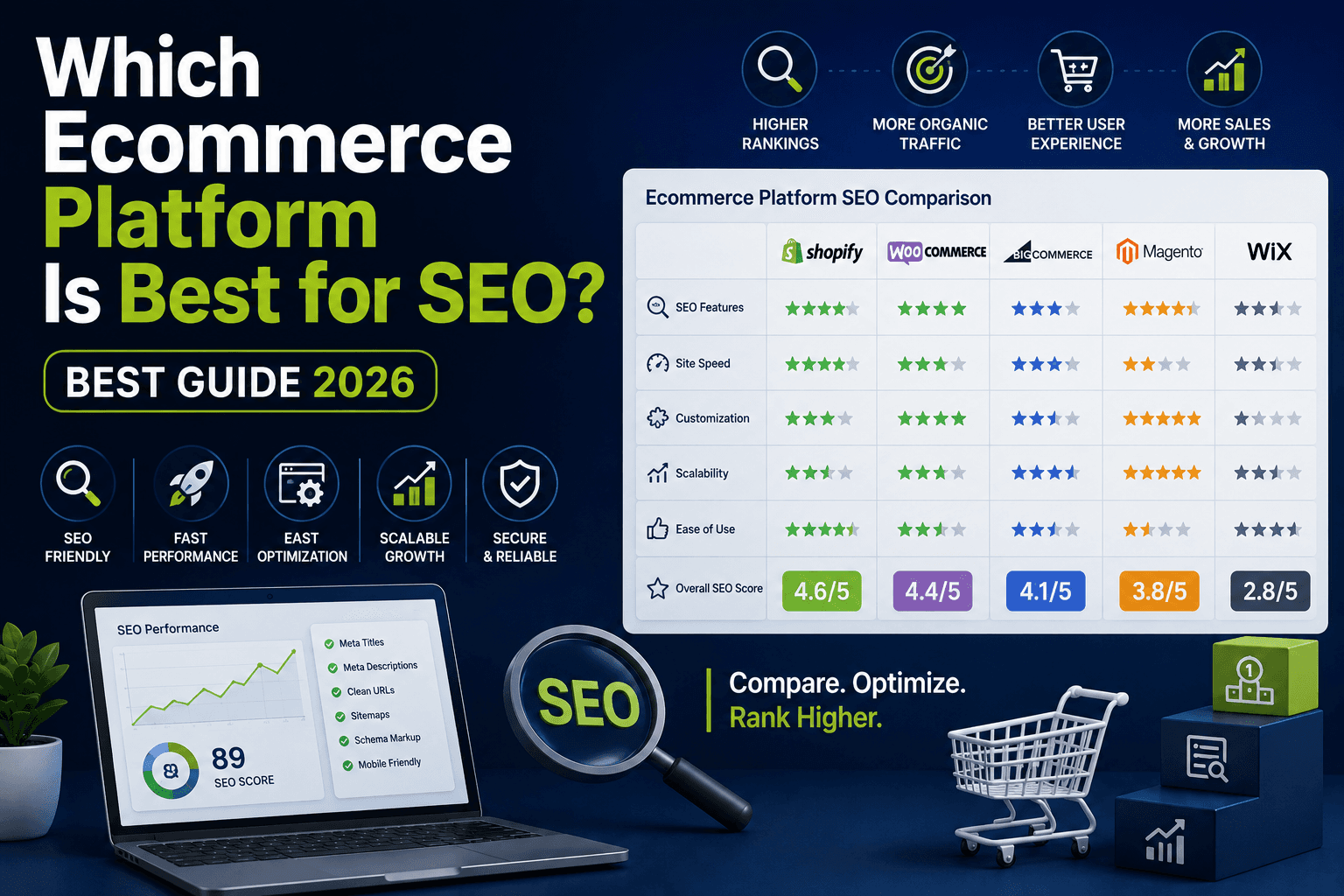
Platform Comparison: SEO Reality Check
Shopify
Best for: fast growth brands, small to medium teams
Strengths:
- strong technical foundation
- stable hosting and speed
- clean default structure
- low maintenance
- large app ecosystem
Limitations:
- some URL structure constraints
- heavy app use may affect speed
- advanced custom SEO needs workarounds
Shopify works well when you want reliability without managing servers.
WooCommerce
Best for: businesses wanting full flexibility
Strengths:
- deep SEO control
- strong content capabilities
- open architecture
- customisation freedom
Risks:
- plugin conflicts
- maintenance burden
- performance depends on hosting
- security responsibility falls on you
WooCommerce rewards technical discipline. Without it, sites become fragile.
BigCommerce
Best for: scaling catalogues
Strengths:
- strong built in SEO features
- good URL control
- stable performance
- fewer app dependencies
Trade off:
- smaller ecosystem than Shopify
- less theme variety
BigCommerce suits structured, catalogue heavy stores.
Adobe Commerce
Best for: enterprise scale
Strengths:
- full architectural control
- advanced SEO flexibility
- complex catalogue handling
- multi region capabilities
Reality:
- high development cost
- requires dedicated technical team
- long implementation cycles
This platform fits large operations, not lean startups.
Which Platform Fits Your Situation
First time store owner
Priority: speed and simplicity
Pick: Shopify
You need launch momentum, not server management.
Growing DTC brand
Priority: structured SEO growth
Pick: Shopify or BigCommerce
You want scalability without heavy maintenance.
Large catalogue retailer
Priority: crawl control and structure
Pick: BigCommerce or Adobe Commerce
Filters and variants need strong architecture.
Enterprise with internal dev team
Priority: full control
Pick: Adobe Commerce
You trade simplicity for power.
Migration Risk Nobody Talks About
Choosing wrong hurts. Migrating carelessly hurts more.
Common migration damage:
- broken redirects
- lost canonical signals
- URL mismatches
- indexation chaos
- ranking drops
A safe migration requires:
- full URL mapping
- redirect testing
- canonical parity
- staging noindex rules
- launch monitoring
This is where many stores lose years of SEO equity. This level of precision requires experienced SEO planning and execution, which is where a specialised digital marketing agency helps prevent permanent traffic loss.
Australian Business Considerations
Platform choice affects operations, not only rankings.
Check:
- GST and tax handling
- local payment gateways
- shipping integrations
- availability of skilled developers
- SEO specialists familiar with the platform
A great platform with no local talent becomes expensive.
The Truth Most Guides Avoid
Platforms do not rank websites.
Execution ranks websites.
A perfect platform with poor structure fails.
A decent platform with strong SEO architecture wins.
The platform decides how hard SEO becomes.
Your strategy decides how far it goes.
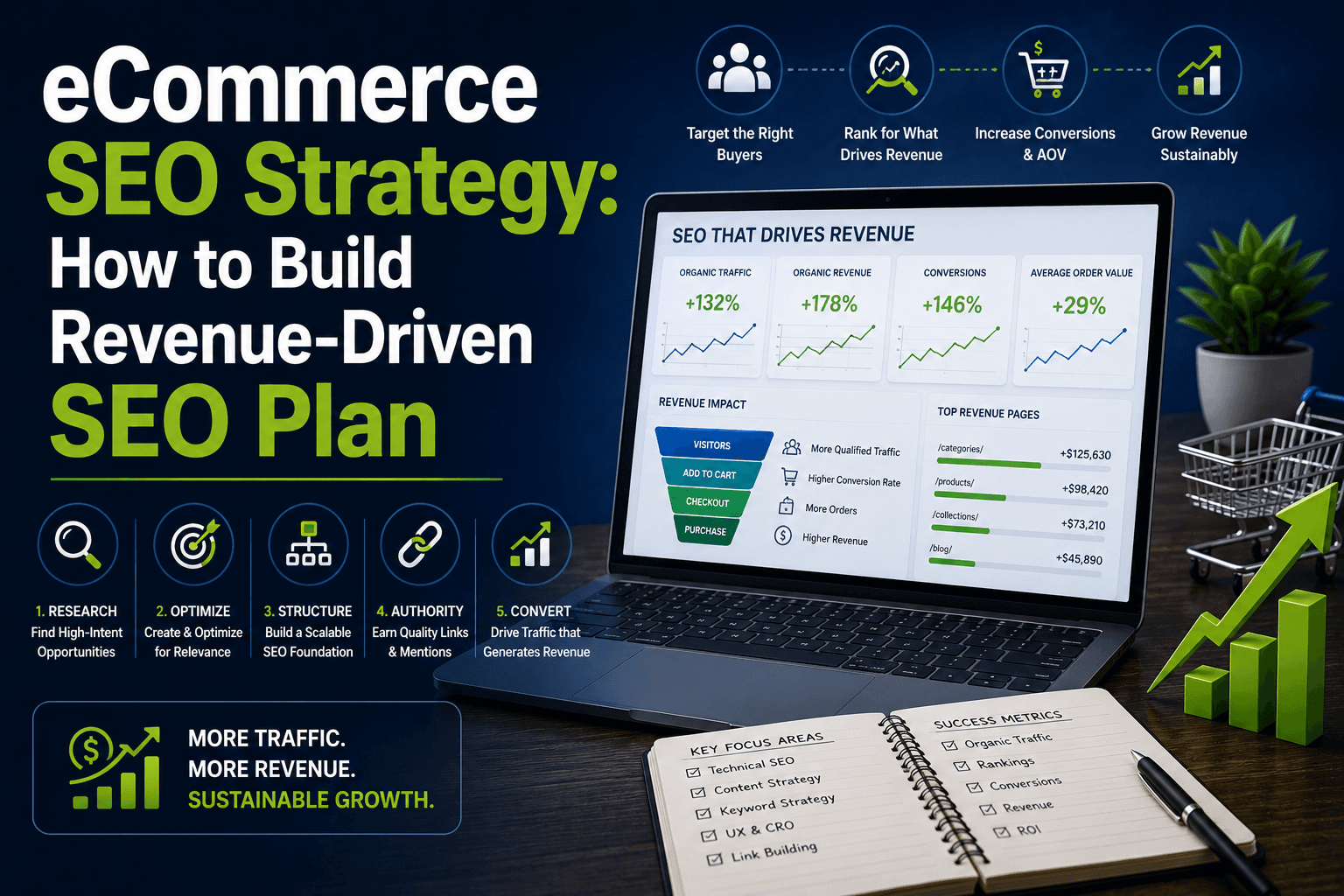
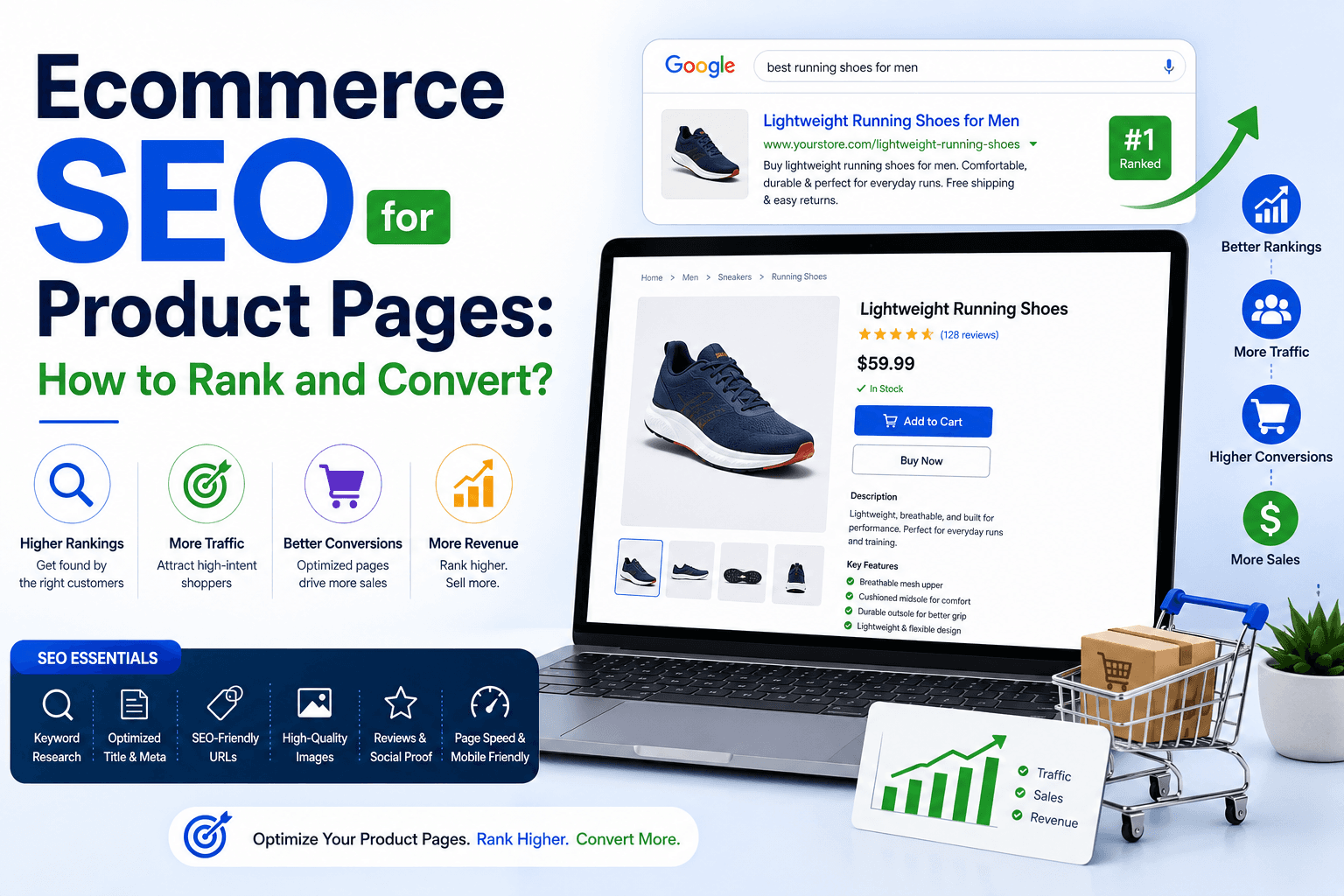
To get consistent results regardless of platform, long-term growth depends on clear structure, technical discipline, and a well-executed ecommerce SEO strategy.
Quick Decision Checklist
You are ready to choose if:
- you know your catalogue size
- you understand your growth plan
- you have realistic technical support
- SEO matters long term
Pause if:
- you are chasing trends
- you expect a platform to fix weak strategy
- you ignore migration risk
- you choose based only on price
Final Recommendation
Choose for the next five years, not the next five months.
Pick a platform your team understands.
Pick one that supports structure and scale.
Avoid decisions driven by hype.
If this guide clarified your direction, good.
If questions remain, an SEO architecture review before committing helps identify platform risks, migration challenges, and long-term growth constraints before they become expensive to fix. One smart decision here saves years of recovery work.
That is the real win.