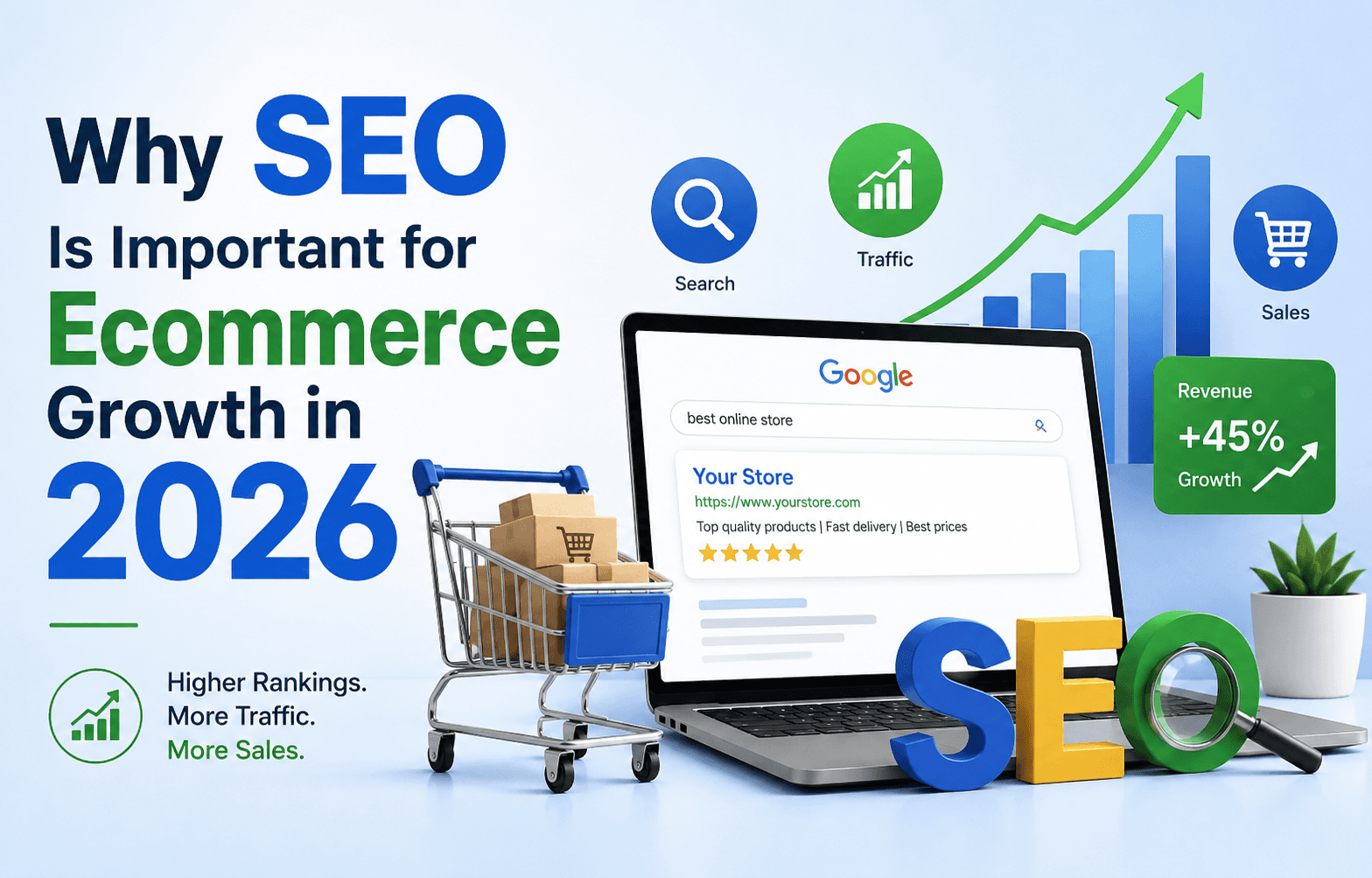
Why SEO Is Important for Ecommerce: Your Guide to Sustainable Online Growth
Your ecommerce store needs customers. But if they can't find you in search results, you're invisible to 92% of potential buyers who never scroll past Google's first page. (Australia Post eCommerce Report 2025)
SEO delivers what paid ads can't: sustainable traffic that grows over time without paying for every click. For Australian ecommerce businesses, this means capturing your share of the AU$69 billion online retail market.
Here's why SEO is essential for your store's success.
The Australian Ecommerce Reality: Why Visibility Matters
Australian online retail hit AU$69 billion in 2024 representing 16.8% of total retail spending. With 9.8 million households shopping online (80% of Australian households), the opportunity is massive.
The challenge? 92% of online search traffic goes to Google's first page results. If you're not ranking, you're invisible to customers actively searching for your products.
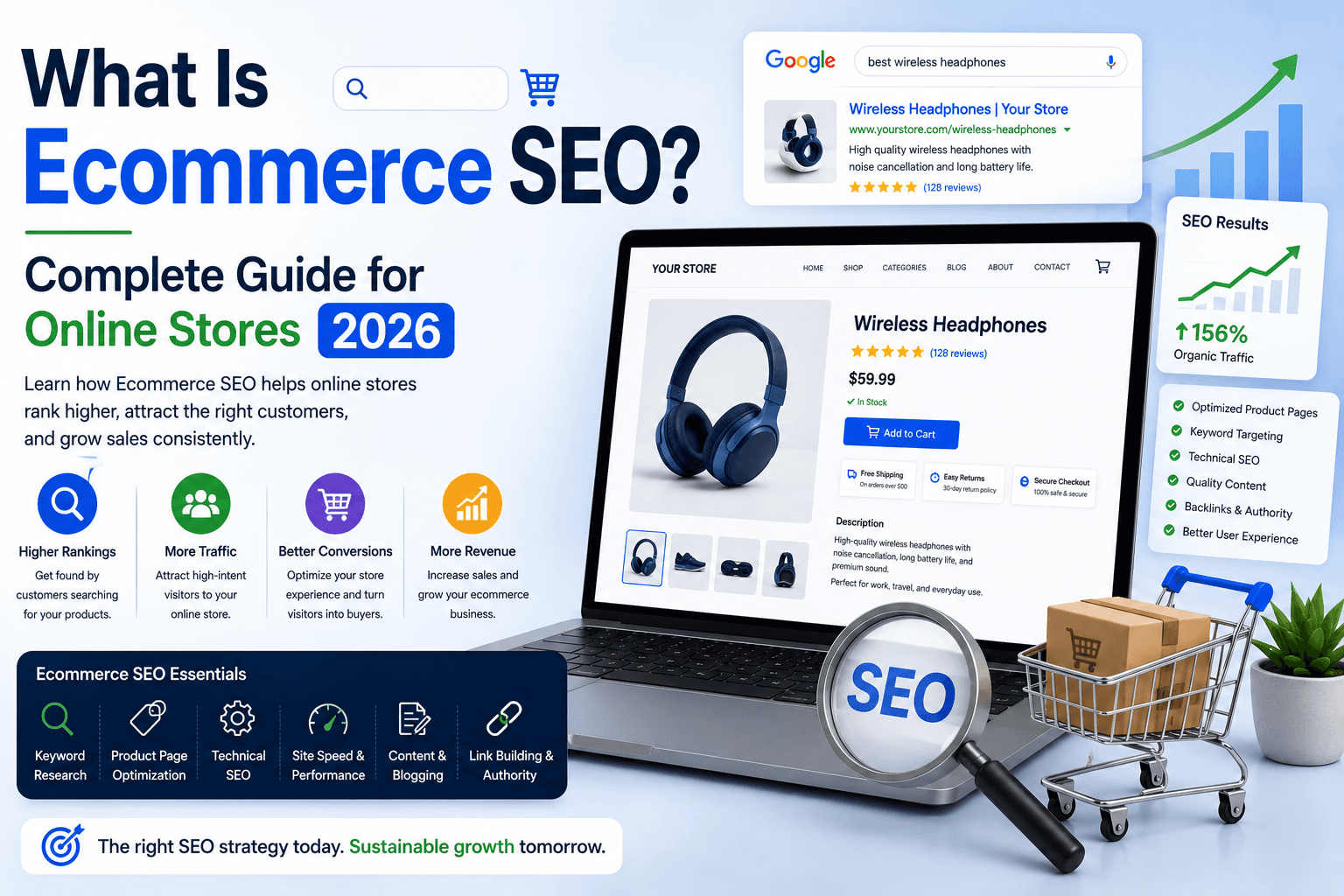
What Is Ecommerce SEO?
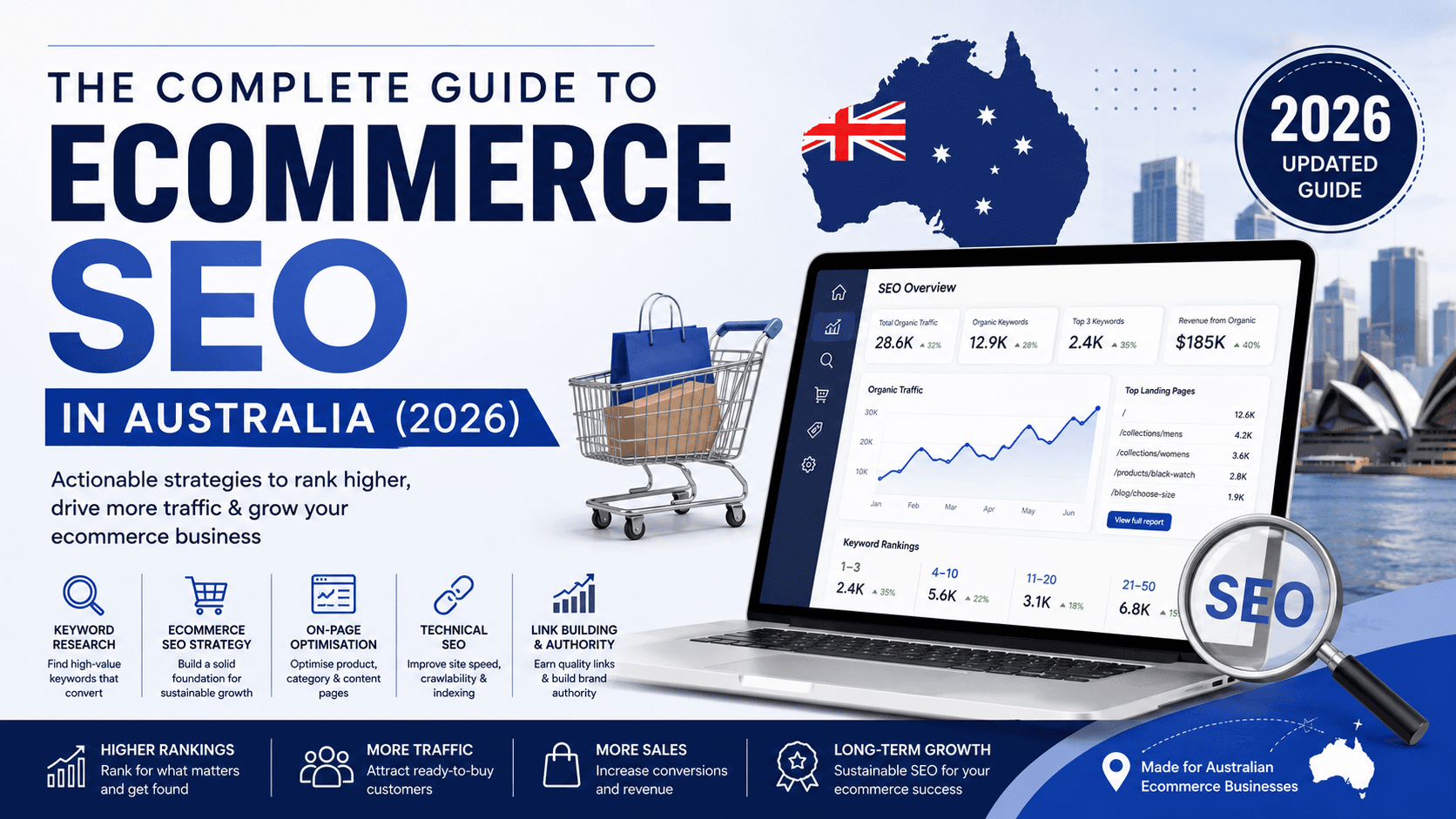
Ecommerce SEO optimises your online store to rank higher when people search for products you sell. It includes technical optimisation (site speed, mobile responsiveness), on-page elements (product descriptions, images), backlinks, and content that answers customer questions.
Unlike general SEO, ecommerce SEO focuses on product and category pages targeting people ready to buy.
Why SEO Is Critical for Ecommerce Success
1. SEO Captures High-Intent Buyers Ready to Purchase
When someone searches "buy protein powder Australia" or "best running shoes for flat feet," they're not browsing, they're ready to buy. SEO places your store in front of these high-intent customers at the exact moment they're searching.
Research shows 81% of people research online before major purchases. Being visible during this research phase directly influences buying decisions.
With 95% of Australians shopping via mobile and smartphones accounting for 77% of site visits, mobile-optimised SEO captures these ready-to-buy customers wherever they are.
2. SEO Delivers Superior ROI Compared to Paid Advertising
The numbers are compelling:
- SEO leads have a 14.6% close rate vs 1.7% for outbound marketing
- Ecommerce SEO focused on product pages delivers an average 400% ROI
- Well-executed strategies achieve 5:1 returns $5 profit for every $1 spent
- Positive ROI typically achieved within 6-12 months, with peak results in years 2-3
Unlike paid ads where traffic stops when you stop paying, SEO continues delivering results 24/7. Every optimised page keeps working for you, compounding returns over time.
3. SEO Creates Sustainable, Long-Term Traffic Growth
SEO delivers compounding returns. The longer you invest, the stronger your results become.
Why this matters for Australian ecommerce:
- Cost savings: No per-click costs once you rank organically (average CPC in competitive niches: $2-$10)
- Competitive edge: Strategic SEO lets smaller businesses outrank larger competitors without massive budgets
- Traffic stability: 49% of marketers identify organic search as the top ROI-driving channel
One Australian ecommerce company secured #1 rankings for "Protein Powder" and "Protein Bars," even surpassing Amazon through strategic SEO.
4. SEO Directly Increases Revenue and Sales
The average ecommerce conversion rate is 2.86% globally, but Australian stores with proper SEO optimisation achieve 4-7% for well-targeted organic traffic.
How SEO drives revenue:
- More visibility = more product discoveries
- Better-qualified traffic = higher conversion rates
- Strategic content = traffic to higher-value categories
- Quality leads = higher customer lifetime value (60% of marketers confirm SEO brings highest-quality leads)
Critical stat: Improving site speed by 1 second increases conversions by 7%. Your technical SEO directly impacts revenue, not just traffic.
5. SEO Improves User Experience and Builds Trust
Good SEO and good user experience are inseparable. Google's 200+ ranking factors prioritise elements that improve customer shopping experience:
- Fast loading: Crucial when slow sites cause 70% cart abandonment
- Mobile optimisation: Essential with 77% of Australian ecommerce visits on smartphones
- Clear navigation: Helps customers find products easily
- Quality content: Answers questions and reduces purchase uncertainty
- Security: HTTPS protects customer data and improves rankings
Ranking on page one signals credibility that paid ads can't replicate. Customers trust organic results more than advertisements.
6. SEO Captures Customers Throughout Their Buying Journey
Not every searcher is ready to buy immediately. SEO captures customers at every stage:
- Awareness: "What's the best running shoe for flat feet?" (educational content)
- Consideration: "Brooks Ghost vs Nike Pegasus" (comparison content)
- Decision: "Buy Brooks Ghost 15 Australia" (product pages)
This comprehensive approach means you're not competing on price alone, you're building relationships and trust before the purchase decision.
7. SEO Provides Competitive Advantage
Most ecommerce businesses underinvest in SEO early, creating opportunities you can exploit.
Strategic SEO helps you:
- Target long-tail keywords: "best trail running shoes for wide feet Australia" instead of just "running shoes"
- Dominate local searches: "[product] Sydney" or "same-day delivery Melbourne"
- Build niche authority: Comprehensive content positions you as the expert
- Capture voice search: Conversational queries like "where to buy [product] near me"
8. SEO Amplifies Your Other Marketing Channels
SEO makes all your marketing more effective:
- Paid ads: Higher organic rankings reduce cost-per-click
- Social media: Instagram followers Google your brand rankings convert that interest
- Email marketing: Organic search captures new subscribers
- Retargeting: SEO visitors can be retargeted with ads
Strong SEO foundations deliver better returns across all channels because your brand has visibility and credibility.
What Happens If You Ignore SEO?
Without SEO investment:
- Lost sales: Competitors capture customers searching for what you sell
- Higher ad costs: 100% dependency on paid traffic, with costs increasing 20-30% yearly
- Invisible ranking: Position #1 gets 34% of clicks; page two gets less than 1%
- No long-term assets: Ad spending is a short-term expense; SEO builds lasting value
Key SEO Metrics to Track
Monitor these metrics to measure SEO success:
Traffic & Rankings
- Organic sessions (total and non-branded)
- Keyword rankings for target terms
- Featured snippet positions
Revenue
- Organic revenue and conversion rate (aim for 2-4%)
- Average order value from organic traffic
- Customer lifetime value
Engagement
- Bounce rate (target: under 60%)
- Average engagement time (target: 44 seconds to 1 minute 22 seconds)
- Pages per session
Getting Started with Ecommerce SEO
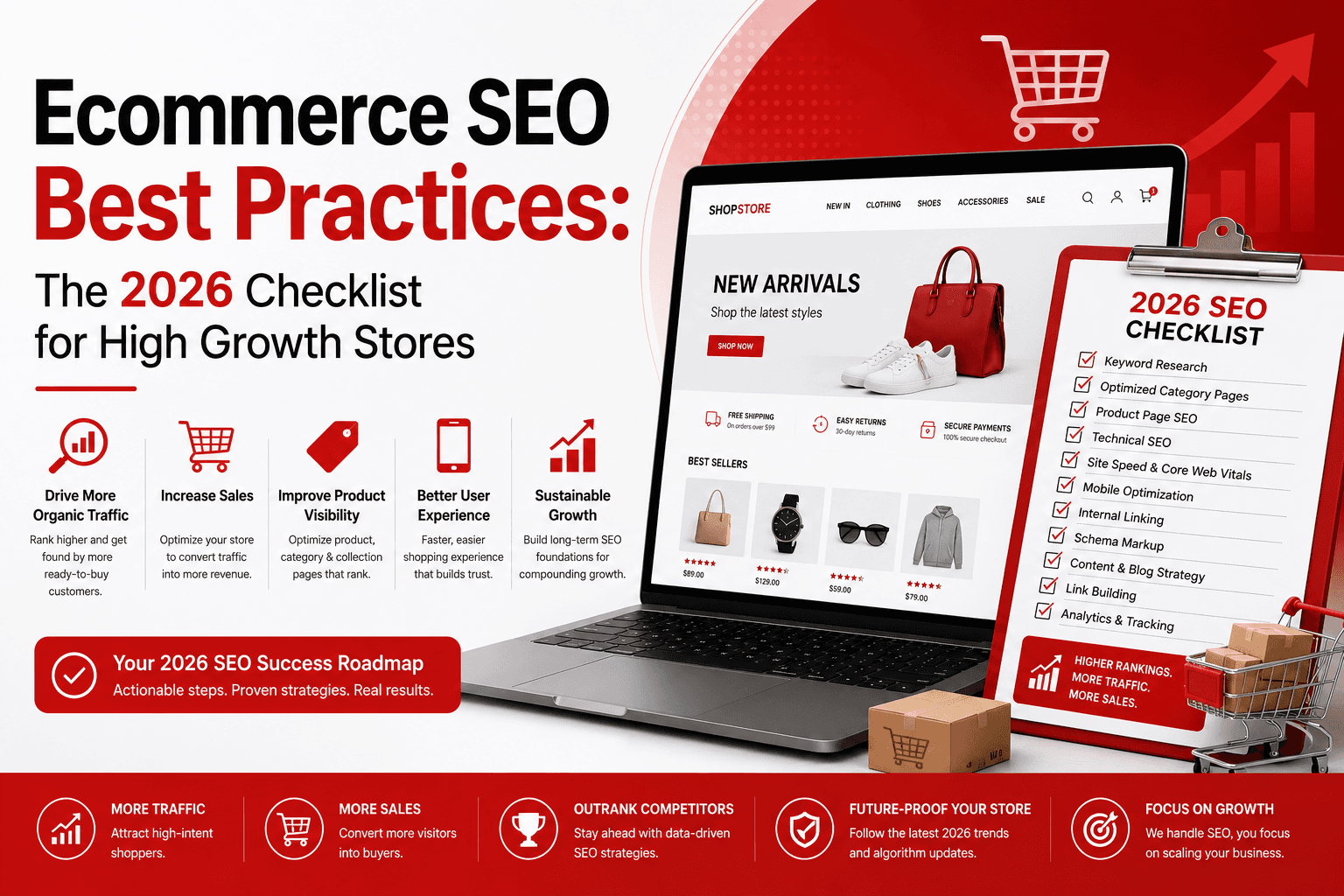
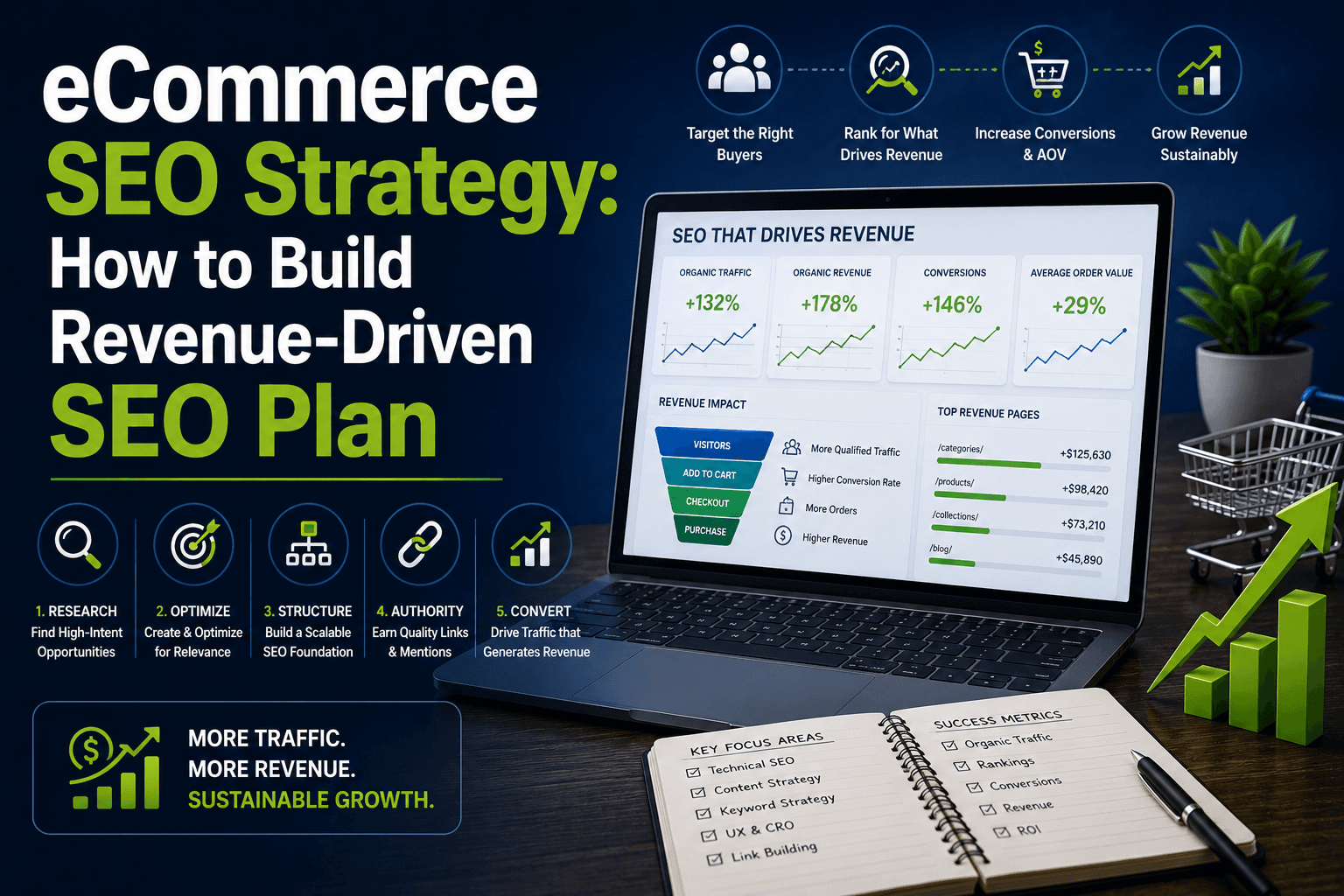
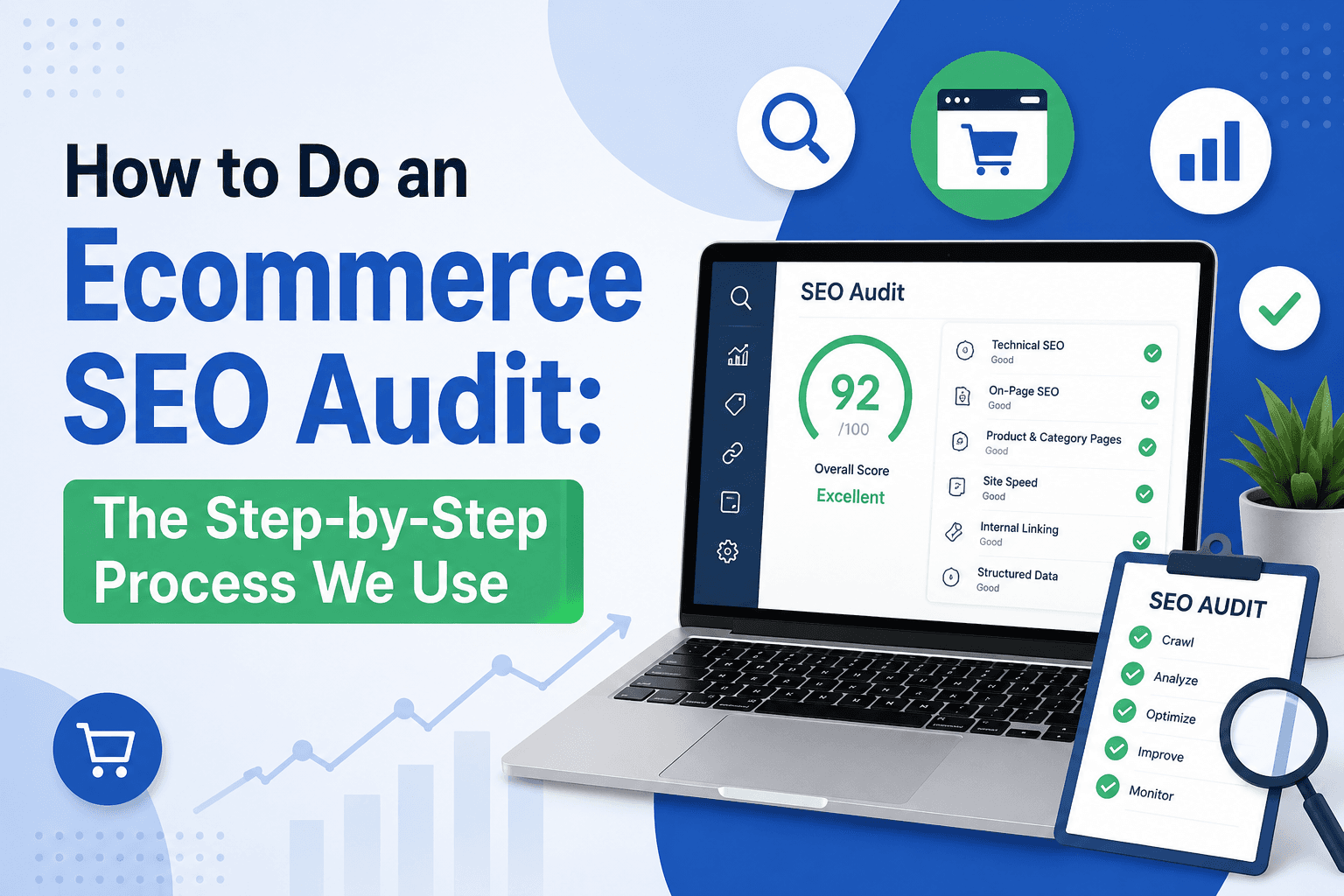
1. Audit Your Current SEO Identify technical issues, content gaps, and opportunities. A comprehensive SEO audit reveals what's holding you back.
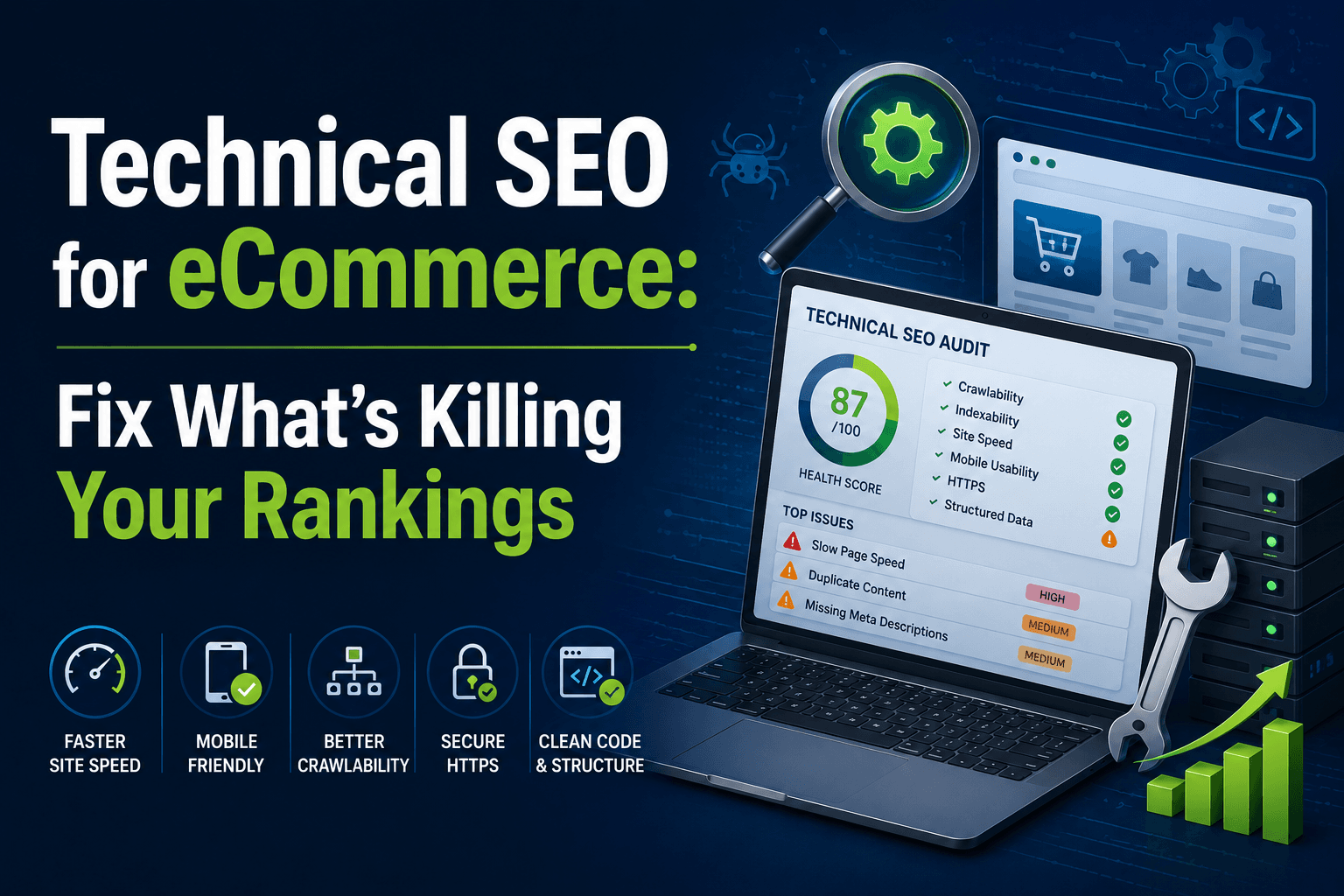
2. Fix Technical Foundations
- Site speed under 3 seconds
- Mobile responsiveness across devices
- HTTPS security
- XML sitemap and structured data
3. Optimise Product Pages
- Unique, detailed descriptions
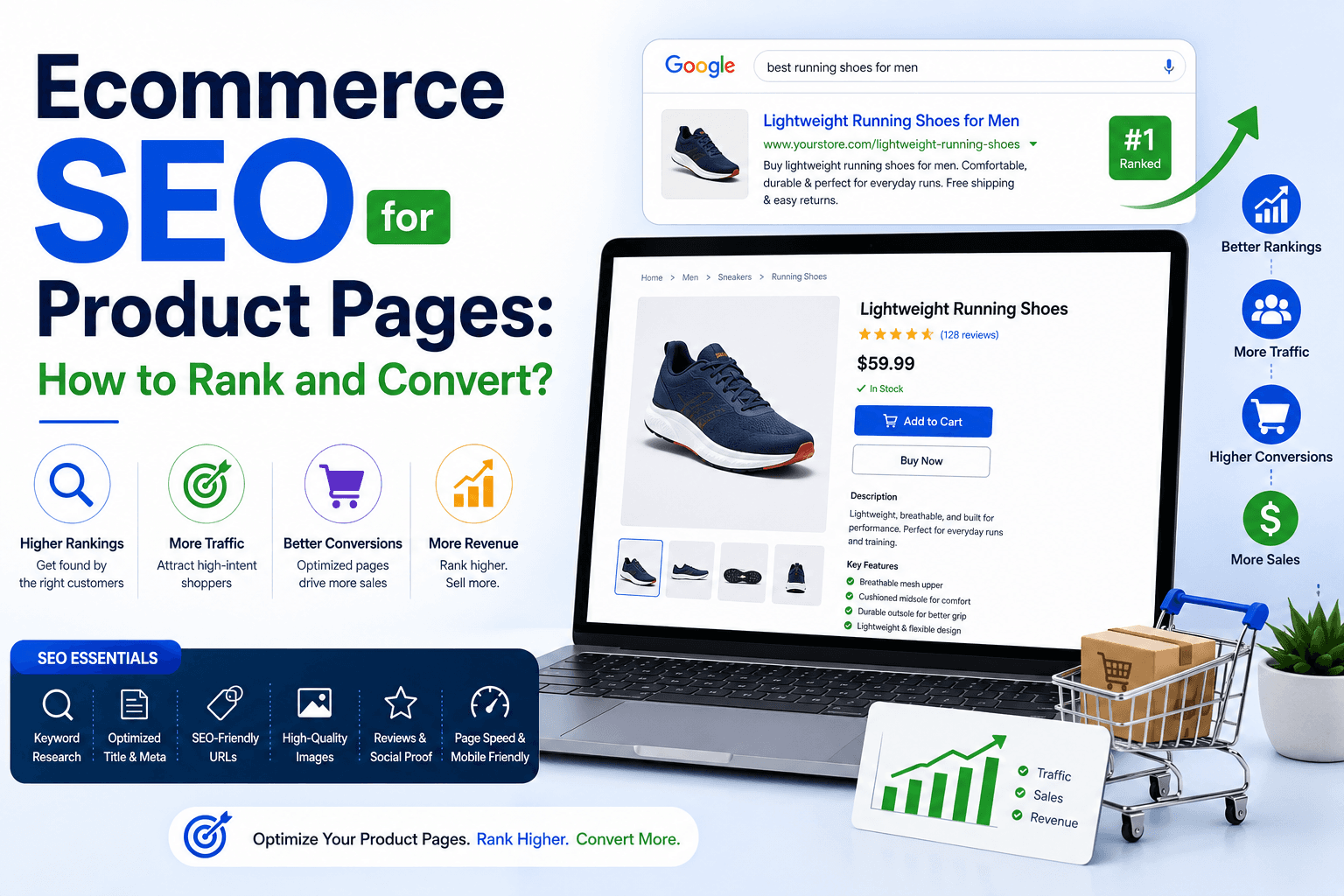
- High-quality images with alt text
- Customer reviews
- Clear calls-to-action
4. Create Valuable Content
- Buying guides and how-to articles
- Product comparisons
- Industry insights that build authority
5. Build Quality Backlinks Earn links from reputable Australian websites through partnerships, PR, and linkable content.
6. Monitor and Improve Review analytics monthly, test, refine, and adapt to market changes.
Why Work with an Ecommerce SEO Agency
Specialist ecommerce SEO agencies accelerate results through:
- Technical expertise for complex issues
- Ecommerce-specific strategies that work
- Time savings while you focus on your business
- Proven processes refined across multiple clients
- Integration with your broader digital marketing strategy
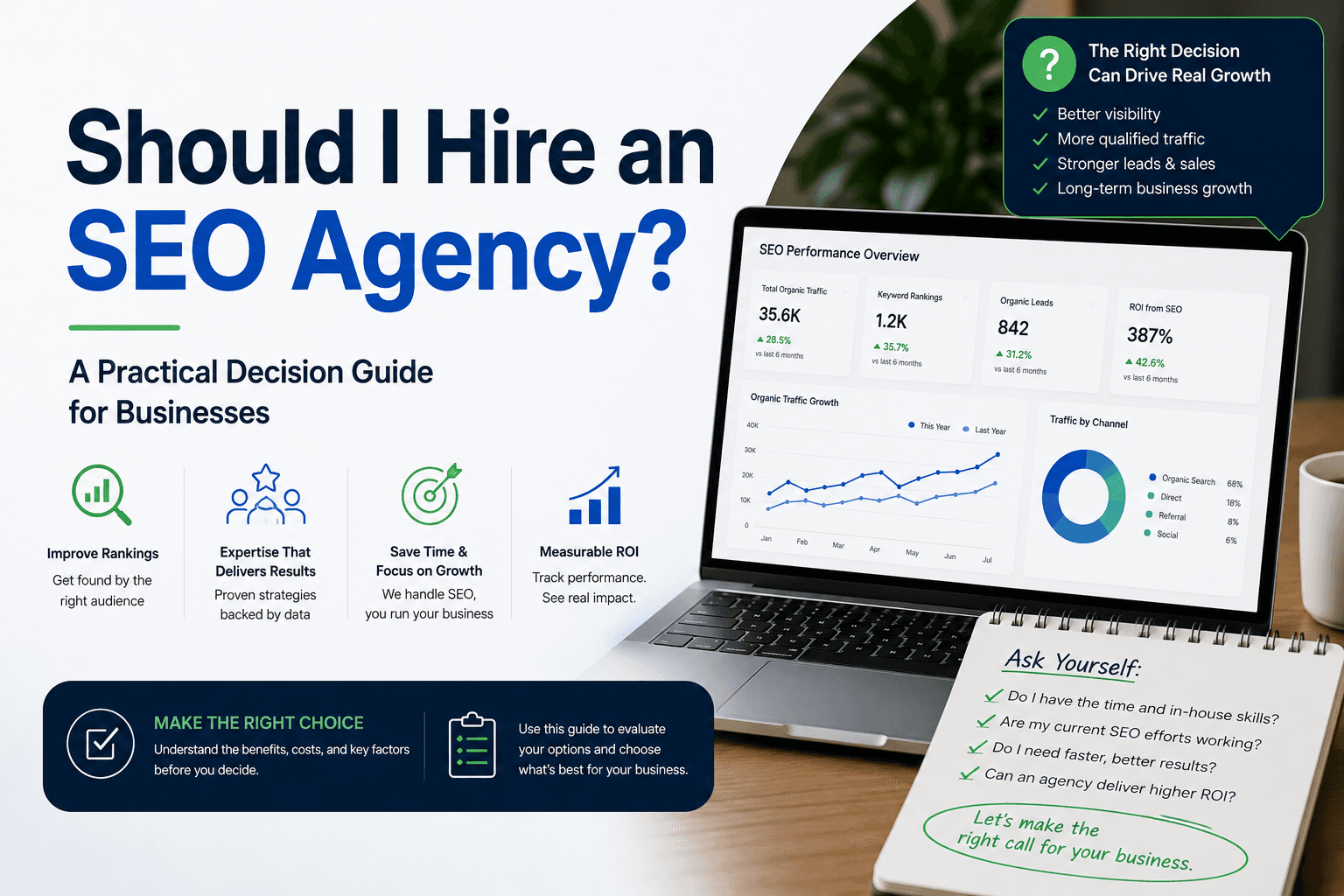
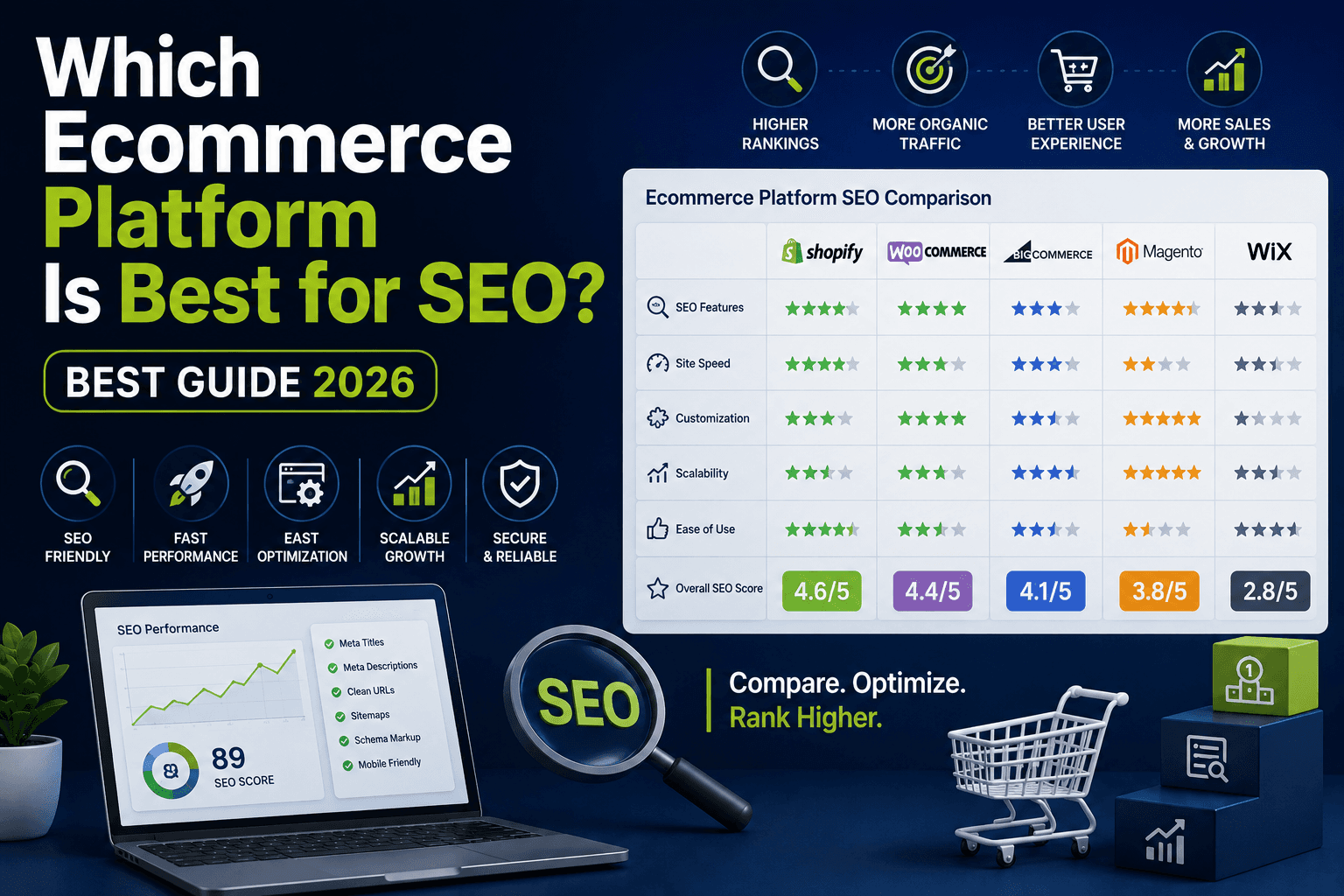
For platform selection guidance, read ourguide on which ecommerce platform is best for SEO. For platform-specific tactics, see ourShopify SEO guide. To avoid common pitfalls, review ourcommon ecommerce SEO mistakes guide. For technical deep-dive, explore ourtechnical SEO for ecommerce guide. To evaluate if you need expert help, read ourshould I hire an SEO agency guide. Contact our team atthedevelopment.com.au/contact-us for expert consultation.