Skip to content
The Development Agency
ArticleJune 8, 2026

AI & Automation Trends: What Businesses Need to Know

AI and automation are reshaping industries. Understand the differences between AI and traditional automation, key benefits, implementation strategies, and trend

TD

The Development Agency

The Development Agency

AI & Automation Trends: What Businesses Need to Know

AI and automation are no longer futuristic concepts; they are essential tools driving business efficiency, cost reduction, and improved decision-making. Australian businesses must understand the impact of these technologies and prepare for their integration to remain competitive.

This guide explores the benefits, key differences between AI and automation, and practical steps for businesses to implement AI automation successfully.

Key Highlights:

  • AI and automation are reshaping industries by improving efficiency and reducing costs.
  • Traditional automation follows fixed rules, while AI automation learns from data and adapts.
  • Businesses that implement AI automation gain a competitive advantage through scalability and predictive analytics.
  • AI automation enhances customer service through chatbots and personalised experiences.
  • Implementing AI in business requires assessing processes, selecting the right tools, and training employees.
  • Australian businesses can partner with AI automation agencies for customised solutions.
  • AI automation is crucial for future-proofing businesses and staying ahead of industry trends.

What is Automation in Business?

Automation in business refers to using technology to perform tasks with minimal human intervention. It streamlines operations, enhances efficiency, and minimises errors. Common examples include:

Email Marketing Workflows

Automated email campaigns triggered by user behaviour.

Inventory Management Systems

Automated tracking and restocking of products.

Customer Relationship Management (CRM) Tools

Automated lead tracking, customer segmentation, and follow-ups.

By leveraging automation, businesses can focus on strategic growth rather than repetitive tasks.

What is AI Automation?

AI automation combines artificial intelligence with traditional automation to handle complex tasks requiring adaptability and learning. Key characteristics include:

Learning from Data Patterns

AI analyses vast datasets to identify trends and optimise processes.

Predictive Analytics

AI forecasts sales trends and customer behaviour.

Adaptive Decision-Making

AI-powered systems adjust to new scenarios, such as chatbots providing real-time customer support.

Examples of AI Automation:

AI-Driven Analytics Platforms

Tools that analyse data to generate business insights.

Personalised Recommendation Engines

AI-powered systems that suggest products or services based on customer preferences.

AI vs. Automation: Key Differences

The difference between Traditional Automation and AI Automation:

Functionality

  • Traditional Automation: Executes predefined tasks based on fixed rules.
  • AI Automation: Learns from data and adapts to new conditions.

Adaptability

  • Traditional Automation: Limited to fixed conditions and does not evolve.
  • AI Automation: Highly flexible, continuously learning and improving.

Complexity

  • Traditional Automation: Best for repetitive and rule-based tasks.
  • AI Automation: Capable of managing complex decision-making.

Implementation

  • Traditional Automation: Requires a rule-based setup with predefined instructions.
  • AI Automation: Needs data training and advanced algorithms for effective functioning.

Examples

  • Traditional Automation: Email scheduling, payroll processing.
  • AI Automation: Predictive analytics, AI-driven customer service.

Understanding these differences helps businesses determine where to invest in AI automation.

Top AI Automation Tools for Businesses

Selecting the right AI tools can significantly improve business operations. Some leading AI automation tools include:

HubSpot CRM

AI-powered analytics and marketing automation.

Zapier

Workflow automation with AI-driven integrations.

IBM Watson

AI-driven data analysis and customer support solutions.

Drift

AI-powered chatbots for enhanced customer engagement.

Choosing tools that align with business objectives is crucial for successful AI integration.

AI Automation Benefits

Adopting AI automation provides several key benefits:

Cost Efficiency

Reduces operational costs by automating repetitive tasks.

Scalability

Easily handles increased workloads without additional resources.

Enhanced Customer Experience

AI personalises interactions, improving customer satisfaction.

Data-Driven Insights

AI analytics provide actionable business intelligence.

These benefits position businesses for long-term success and sustainability.

FAQs on AI & Automation

Can small businesses afford AI automation?

Yes, many AI automation tools offer scalable pricing, making them accessible for small businesses. Long-term efficiency gains often justify initial investment costs.

Is AI replacing human jobs?

AI augments rather than replaces human jobs by automating repetitive tasks, allowing employees to focus on strategic roles.

How can a business start with AI automation?

Begin by identifying time-consuming manual processes, selecting appropriate AI tools, and consulting with AI automation agencies for tailored solutions.

What are the best AI automation tools for businesses?

Popular AI automation tools include HubSpot CRM, Zapier, IBM Watson, and Drift for marketing, customer engagement, and operational efficiency.

Why should Australian businesses invest in AI automation?

AI automation enhances productivity, reduces costs, and improves customer experience, making it a vital investment for businesses aiming to stay competitive.

Conclusion

AI automation is transforming Australian businesses by improving efficiency, reducing costs, and enhancing customer experiences. Whether through AI-driven analytics, chatbots, or marketing automation, integrating AI into business operations is essential for long-term success.

Businesses can start by evaluating their existing processes, adopting AI-powered tools, and collaborating with specialised agencies in Australia. By embracing AI automation, organisations can future-proof their operations and maintain a competitive edge.

Now is the time to explore AI automation solutions that align with your business goals and drive sustained growth.

Ready to Transform Your Business with AI Automation?

Let us help you implement AI automation solutions tailored to your business needs. Our team of experts can guide you through the process and unlock the full potential of AI for your organisation.

Empower your business with AI automation—stay ahead of the competition.

Found this useful?

Share this article with your network

TD

The Development Agency

The Development Agency

Work with TDA

Ready to scale with a strategy that performs?

We combine SEO, CRO, engineering and automation to turn traffic into measurable growth.

Get your quote

Latest Blogs

What is Email Marketing? Reasons It Still Works in 2025

June 8, 2026

What is Email Marketing? Reasons It Still Works in 2025

Email marketing remains one of the most effective digital channels. Explore why email still works, automation strategies, best practices, and ROI benchmarks.

What is AI Automation? How It's Shaping the Future of Work

June 8, 2026

What is AI Automation? How It's Shaping the Future of Work

Understanding AI automation is key to staying competitive. Learn what AI automation is, how it differs from regular automation, real-world examples, and challen

What Are Website Wireframes & Why They Matter in Web Design

June 8, 2026

What Are Website Wireframes & Why They Matter in Web Design

Website wireframes are essential for successful web development. Discover what wireframes are, why they're important, common mistakes, and best practices.

Proven Digital Marketing Strategies for Growth & SEO

June 8, 2026

Proven Digital Marketing Strategies for Growth & SEO

Digital marketing is essential for Australian businesses. Learn proven strategies for SEO, PPC, social media, email marketing, and lead generation.

How AI Automation is Transforming Businesses in 2025

June 8, 2026

How AI Automation is Transforming Businesses in 2025

AI automation is reshaping how businesses work. Learn key ways AI is transforming businesses, industry-specific impacts, and how to prepare your business for th

AI & Automation Trends: What Businesses Need to Know

June 8, 2026

AI & Automation Trends: What Businesses Need to Know

AI and automation are reshaping industries. Understand the differences between AI and traditional automation, key benefits, implementation strategies, and trend

NDIS 2026: Website & Digital Standards for Providers

May 25, 2026

NDIS 2026: Website & Digital Standards for Providers

Complete 2026 guide to NDIS website compliance — WCAG 2.1 AA accessibility, platform provider registration, ACCC rules & mandatory site elements.

Shopify vs WooCommerce vs BigCommerce Australia 2026

April 16, 2026

Shopify vs WooCommerce vs BigCommerce Australia 2026

Shopify, WooCommerce, or BigCommerce? We break down the real differences for Australian eCommerce businesses, including GST compliance, Afterpay support, SEO ca

The Complete Guide to Ecommerce SEO in Australia (2026)

April 9, 2026

The Complete Guide to Ecommerce SEO in Australia (2026)

Master ecommerce SEO in Australia in 2026. From technical setup and product page optimisation to category pages, link building and more.

How Much Does a Website Cost in Australia? (2026 Guide) | The Development Agency

April 9, 2026

How Much Does a Website Cost in Australia? (2026 Guide) | The Development Agency

Discover exactly how much a website costs in Australia in 2026 — from $500 DIY templates to $50,000+ enterprise builds. Compare agency vs freelancer pricing.

B2B Ecommerce SEO 2026: Rank for Buyers, Not Browsers

March 30, 2026

B2B Ecommerce SEO 2026: Rank for Buyers, Not Browsers

B2B eCommerce SEO framework for ranking wholesale and trade stores in front of qualified buyers. Focus on pipeline value over traffic volume.

Should I Hire an SEO Agency? A Practical Decision Guide for Businesses

March 30, 2026

Should I Hire an SEO Agency? A Practical Decision Guide for Businesses

Unsure whether to hire an SEO agency? Learn when it makes sense, when to wait, costs, timelines, and how to decide with confidence.

Ecommerce SEO Best Practices: The 2026 Checklist for High Growth Stores

March 30, 2026

Ecommerce SEO Best Practices: The 2026 Checklist for High Growth Stores

The 2026 ecommerce SEO checklist for high-growth Australian stores. Learn technical SEO, category optimization, product schema, and conversion improvements.

Technical SEO for eCommerce: Fix What's Killing Your Rankings

March 30, 2026

Technical SEO for eCommerce: Fix What's Killing Your Rankings

Most eCommerce stores lose organic revenue to fixable technical issues. Learn how to solve duplicate content, indexation gaps, crawl budget waste, and more.

Custom Web Application Development Guide

March 30, 2026

Custom Web Application Development Guide

Understand custom web application development from architecture to deployment. Learn timelines, technology stacks, and when businesses need custom software.

Which Ecommerce Platform Is Best for SEO? Best Guide 2026

March 30, 2026

Which Ecommerce Platform Is Best for SEO? Best Guide 2026

Choosing between Shopify, WooCommerce, BigCommerce? See which ecommerce platform fits your SEO needs, catalogue size, and growth plan in 2026.

eCommerce SEO Strategy: How to Build Revenue-Driven SEO Plan

March 30, 2026

eCommerce SEO Strategy: How to Build Revenue-Driven SEO Plan

Learn how to build an eCommerce SEO strategy that drives revenue through category optimization, keyword intent mapping, and technical SEO best practices.

Ecommerce Category Page SEO: Turn Collection Pages Into Revenue Machines

March 30, 2026

Ecommerce Category Page SEO: Turn Collection Pages Into Revenue Machines

Learn how to optimize ecommerce category pages to rank for commercial keywords and drive 60-80% of your organic revenue.

Complete Web Development Process: From Idea to Launch

March 30, 2026

Complete Web Development Process: From Idea to Launch

A complete guide to the 10 stages of web development from discovery to launch. Realistic timelines, common problems, and what happens at each step.

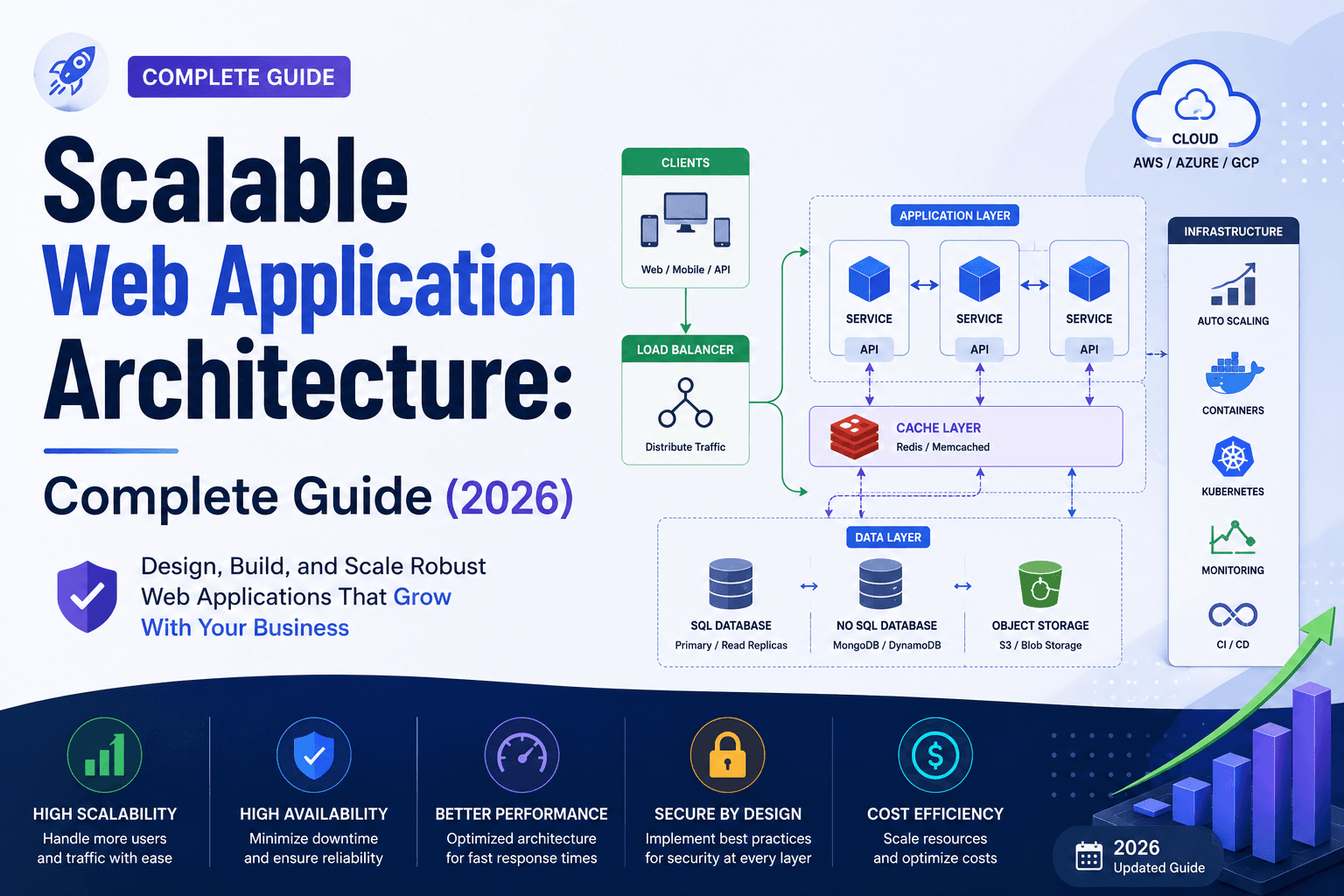
Scalable Web Application Architecture: Complete Guide (2026)

March 30, 2026

Scalable Web Application Architecture: Complete Guide (2026)

One architecture mistake cost AU$340k in outages. Discover the 2026 standards for scalable web applications that protect your business as you grow.

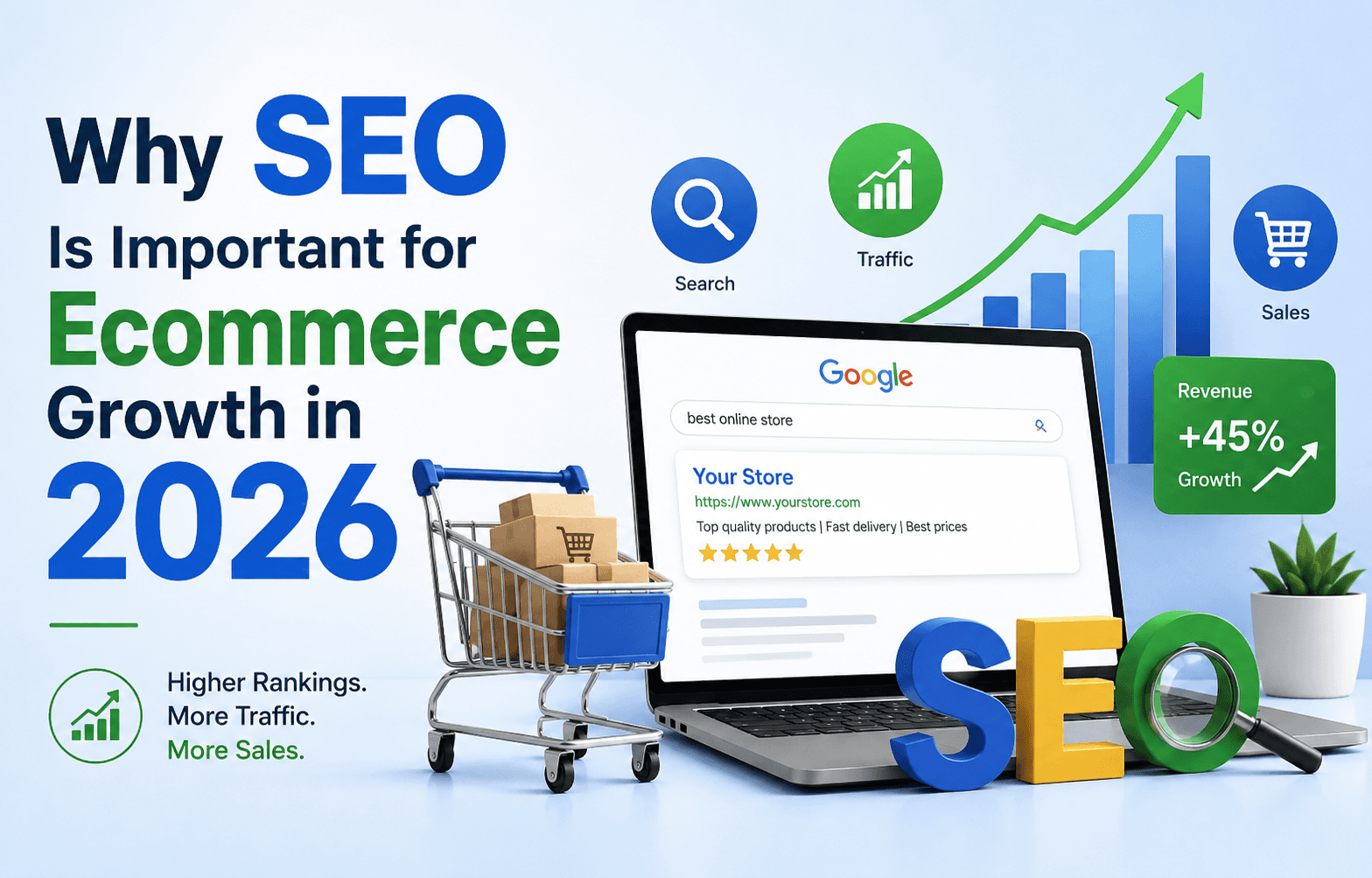
Why SEO Is Important for Ecommerce Growth in 2026

March 30, 2026

Why SEO Is Important for Ecommerce Growth in 2026

Discover why SEO delivers 400% ROI for Australian ecommerce stores. Learn how organic search drives revenue, captures high-intent buyers & beats paid ads.

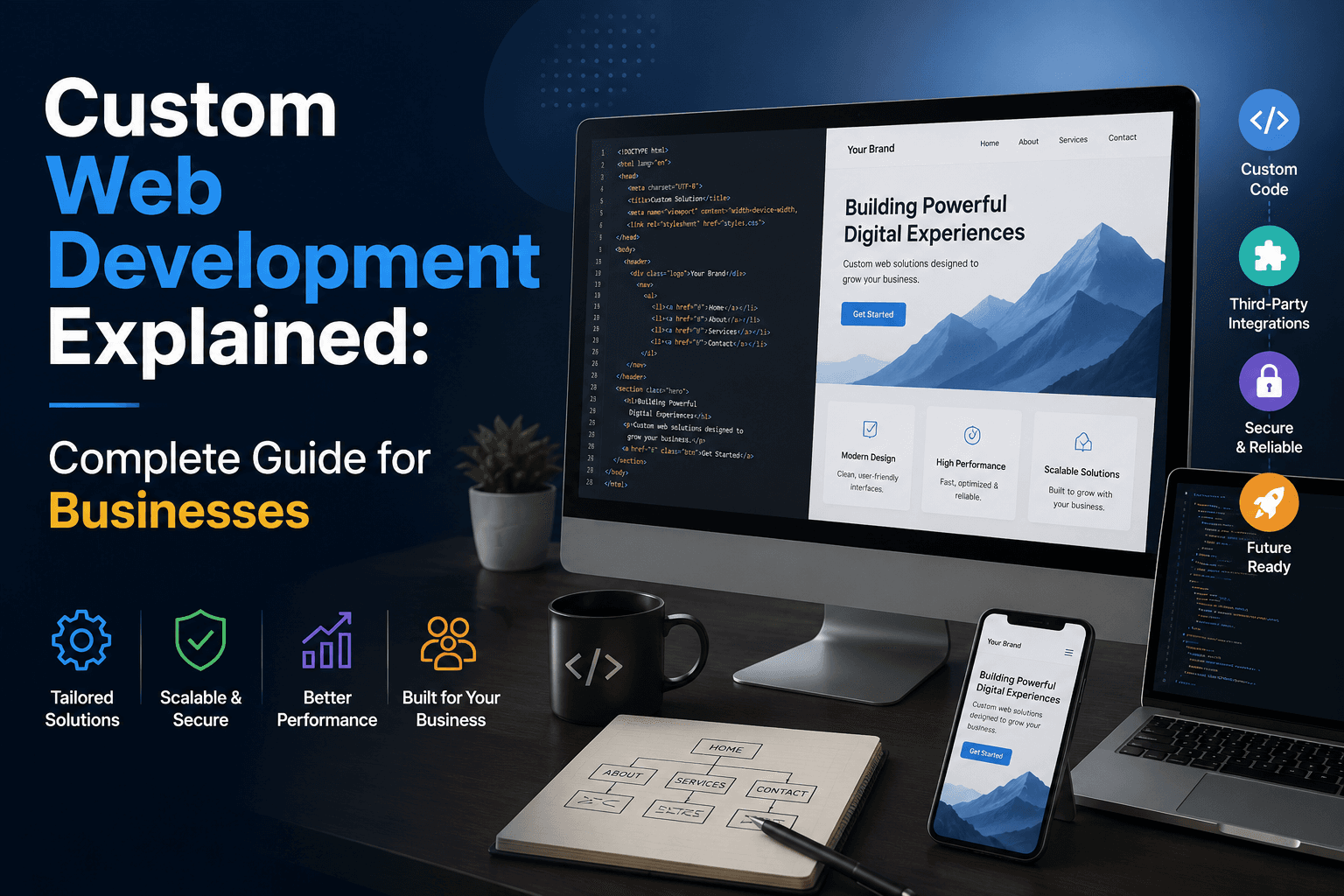
Custom Web Development Explained: Complete Guide for Businesses

March 30, 2026

Custom Web Development Explained: Complete Guide for Businesses

Complete guide to custom web development: costs, timelines, ROI, and when to choose it vs templates.

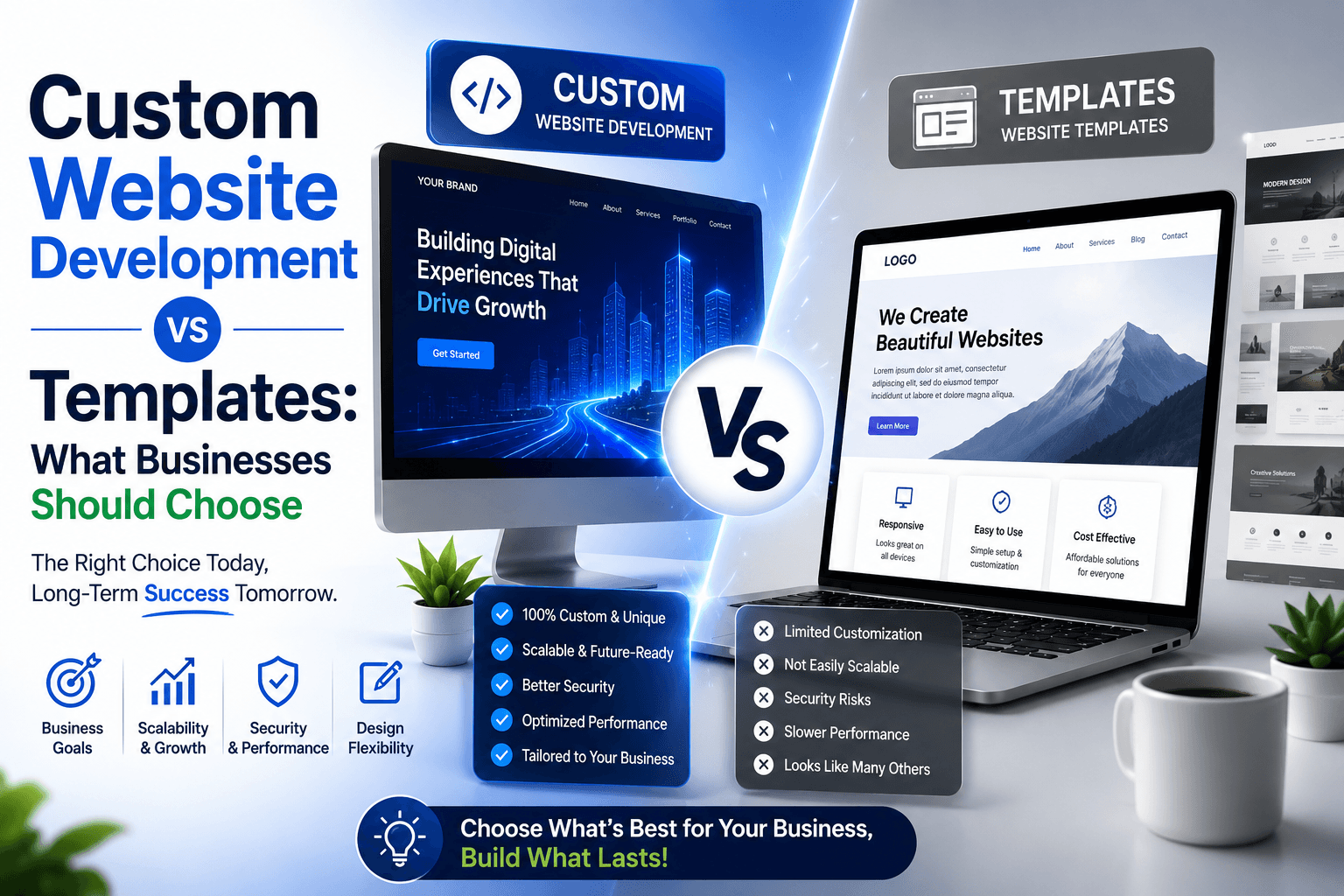
Custom Website Development vs Templates: What Businesses Should Choose

March 30, 2026

Custom Website Development vs Templates: What Businesses Should Choose

Should you pay $15/month for a template or $20K for custom development? See exactly when templates work, when they fail, and when custom is worth it.

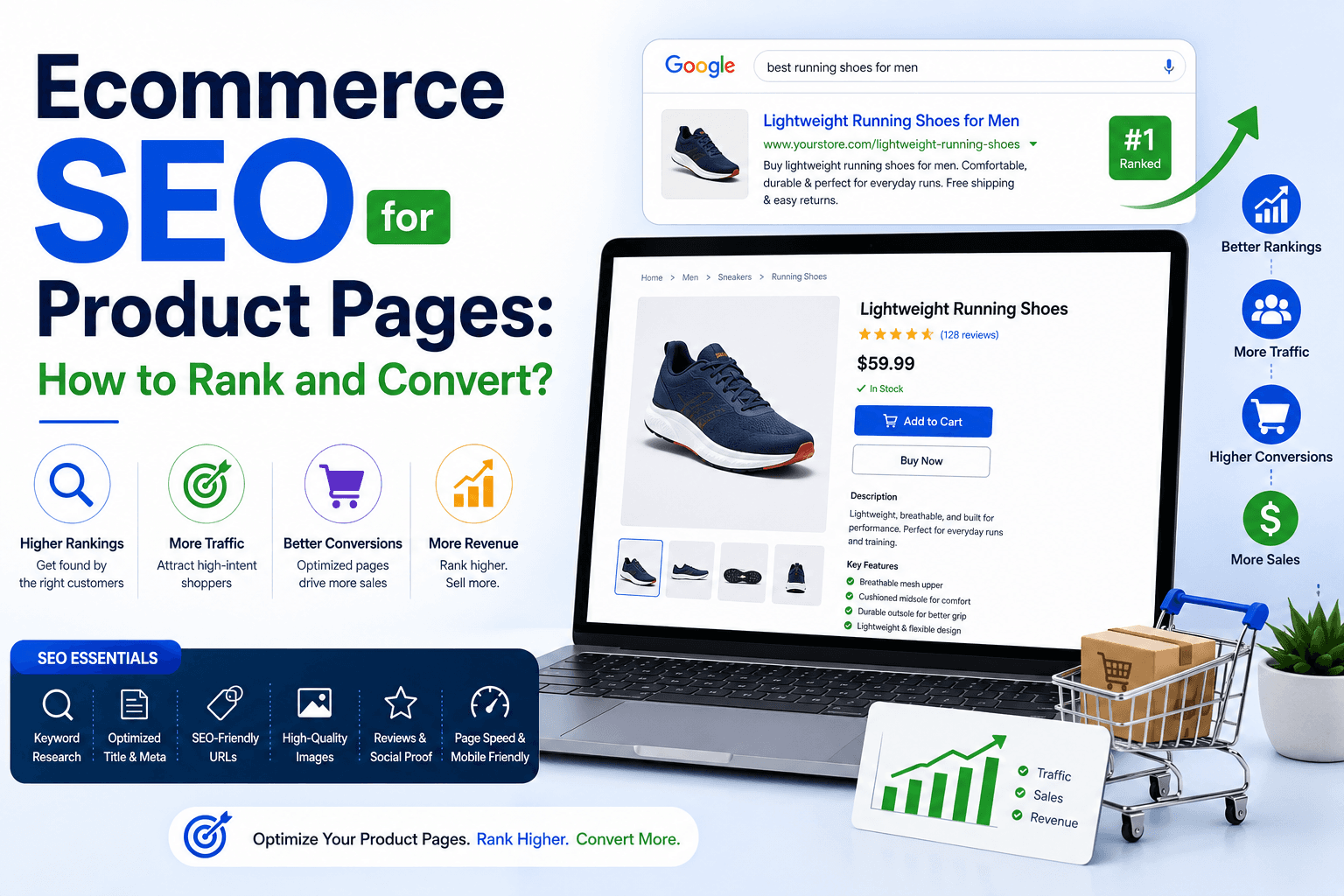
Ecommerce SEO for Product Pages: How to Rank and Convert?

March 30, 2026

Ecommerce SEO for Product Pages: How to Rank and Convert?

Master ecommerce product page SEO in 2026. Rank for high-intent keywords and increase conversions with better titles, content, UX and trust signals.

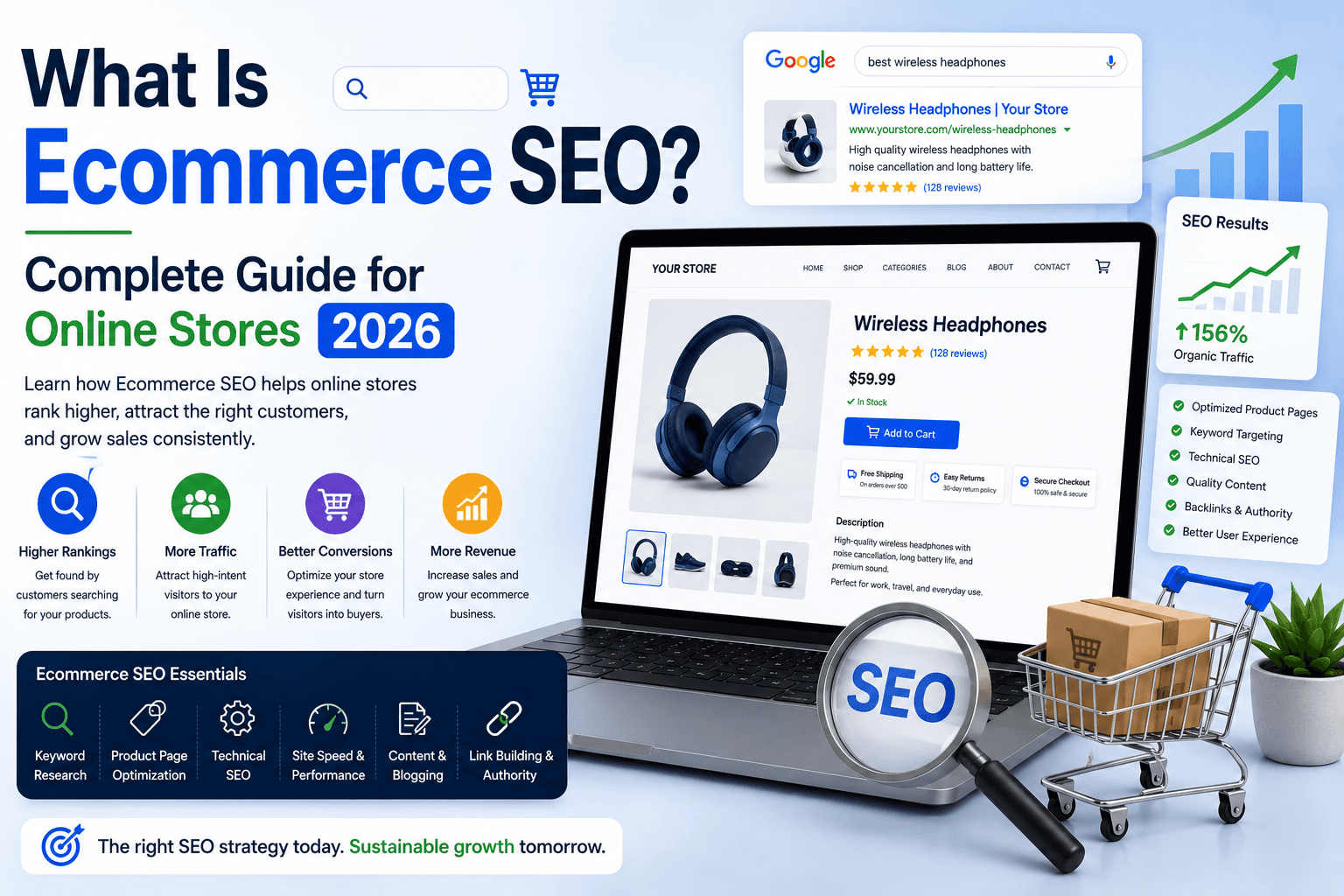
What Is Ecommerce SEO? Complete Guide for Online Stores 2026

March 30, 2026

What Is Ecommerce SEO? Complete Guide for Online Stores 2026

Stop renting customers with paid ads. Learn how ecommerce SEO builds permanent traffic assets that compound—category pages, products & beyond.

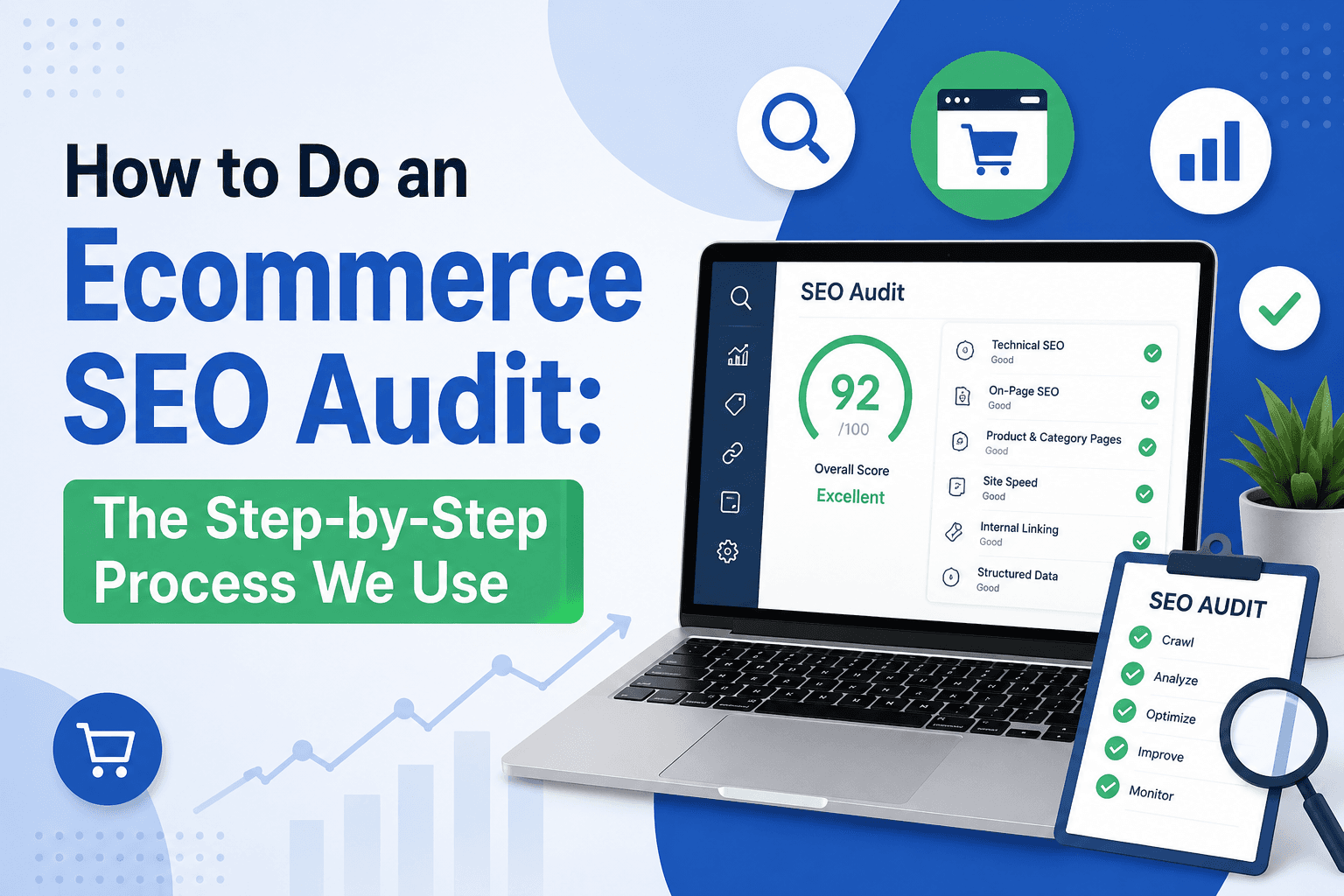
How to Do an Ecommerce SEO Audit: The Step-by-Step Process We Use

March 30, 2026

How to Do an Ecommerce SEO Audit: The Step-by-Step Process We Use

Learn our revenue-focused ecommerce SEO audit process. Prioritize fixes by impact, fix category pages, optimize products, and grow revenue systematically.

Ready to Grow Your Revenue?

Partner with an Australian digital marketing agency that cares about your bottom line.